Comprehensive Guide to Pregnancy Blood Testing in the UK
What Exactly is a Pregnancy Blood Test and Why is it Crucial?
Private Pregnancy Blood Test in Bath: A pregnancy blood test is an essential diagnostic tool extensively used within UK healthcare systems to confirm pregnancy. This specific test measures certain hormones present in the blood, with a focus on human chorionic gonadotropin (hCG).
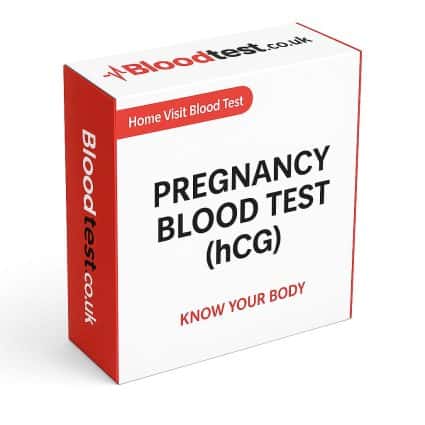

This hormone is produced shortly after a fertilised egg successfully attaches to the uterus, and its levels can provide vital insights not only into confirming pregnancy status but also into monitoring its progression and overall health. The key indicators assessed in pregnancy blood tests include:
- hCG levels: Capable of detecting pregnancy as early as 6-8 days post-ovulation.
- Progesterone levels: Used to evaluate the health of the pregnancy and the uterine environment.
- Estrogen levels: Important for assessing the body’s hormonal balance during the early stages of pregnancy.
- Complete blood count (CBC): Screens for anaemia or other conditions that could impact both maternal and foetal health.
These blood tests play a pivotal role in facilitating early detection and continuous monitoring throughout pregnancy, ensuring that expectant mothers receive the necessary care and support on their unique journey.
Exploring the Different Types of Pregnancy Blood Tests Offered in UK Clinics
Across the UK, various blood tests are accessible in clinics to assist pregnant women. Among these, the quantitative hCG test is particularly notable, as it accurately determines the precise level of hCG in the blood. This capability enables the identification of complications such as ectopic pregnancies or miscarriages. Many clinics in Bath and other areas throughout the UK are well-equipped to conduct these tests efficiently, ensuring timely maternal care that aligns with national guidelines. Additional tests that may be available include:
- Qualitative hCG test: A straightforward test that confirms the presence of hCG.
- Blood type and Rh factor: Essential for managing any potential Rh incompatibility issues.
- Syphilis screening: A routine procedure during pregnancy to assess for infections.
- HIV screening: Recommended to protect the health of both mother and child.
These tests constitute a crucial part of the comprehensive care framework offered through the NHS, ensuring women receive personalised health assessments that are tailored to their unique needs.
Why is the Timing of Blood Tests During Pregnancy So Important?
In the UK, the timing of blood tests during pregnancy is particularly significant. Conducting these tests early, ideally at the first indication of a missed period, allows healthcare providers to closely monitor both the mother’s health and the developing foetus. Early testing is essential for establishing baseline hormone levels and ensuring that any potential issues can be promptly identified and resolved. This proactive approach supports the health of both mother and child and aligns perfectly with established NHS protocols.
Healthcare professionals typically suggest that expectant mothers arrange their blood tests at specific intervals, especially within the first trimester, to optimise health outcomes. Early detection of hormone levels and potential complications can greatly influence pregnancy management, enabling timely interventions that are often necessary to secure a healthy gestation period. Therefore, adhering to recommended timelines for blood tests can be crucial in achieving positive pregnancy outcomes.
How to Accurately Interpret Your Blood Test Results
Interpreting pregnancy blood test results in the UK requires a careful analysis of hormone levels, primarily focusing on hCG. A qualified healthcare professional will review these results, considering the expected ranges for early pregnancy. Normal hCG levels typically double every 48 to 72 hours in the initial stages of pregnancy, indicating healthy foetal development. However, variations can occur, and healthcare providers are well-equipped to assist patients in understanding their specific results.
Possible outcomes of blood tests include normal hCG progression, suggesting a viable pregnancy, or abnormal levels that may indicate complications such as ectopic pregnancy or miscarriage. Therefore, comprehending these results is vital, as they dictate the subsequent steps in care and ongoing monitoring. Healthcare professionals in Bath and throughout the UK ensure that expectant mothers receive follow-up consultations to discuss their results and formulate a personalised plan for their pregnancy journey.
Crucial Steps for Preparing for Your Blood Test in Bath
Essential Preparations Before Your Appointment
Preparing for a pregnancy blood test within UK settings, including clinics in Bath, is vital for ensuring a smooth and efficient experience. Patients typically receive specific guidelines to follow before their appointment to guarantee the reliability and accuracy of the test results. One fundamental recommendation is to fast for a specified duration prior to the test, although this may differ depending on the healthcare provider. Additionally, bringing identification, such as a passport or NHS number, is crucial to facilitate a seamless registration process at the clinic.
Moreover, patients are encouraged to document any symptoms they may be experiencing, as this information can provide valuable context for healthcare professionals when interpreting test results. Ensuring that all necessary documentation is organised before the appointment significantly streamlines the process, reducing potential delays and enhancing overall comfort during the experience.
What Should You Expect When Arriving at the Clinic?
When attending a clinic in Bath for a pregnancy blood test, expect a warm, professional environment designed to make patients feel at ease. Upon arrival, patients will go through a brief check-in process, during which they may need to present identification and any relevant medical history. The staff, including trained phlebotomists, will guide expectant mothers through the procedure, ensuring they understand each step involved.
The blood draw itself is usually quick and straightforward, taking only a few minutes. Patients are often seated comfortably, with staff employing techniques to minimise discomfort, such as using smaller needles and applying numbing cream when necessary. Clear instructions will be provided throughout the process to ensure that patients feel informed and reassured. Overall, the clinic experience is structured to prioritise patient comfort and deliver high-quality care.
Common Preparatory Recommendations from UK Health Authorities
Health organisations in the UK frequently recommend specific preparations to enhance the reliability of blood tests. One crucial suggestion is to remain well hydrated before the test, as adequate fluid intake can facilitate blood collection, making veins more accessible to phlebotomists. Additionally, ensuring sufficient rest the night prior can help alleviate anxiety and improve overall comfort during the procedure.
UK health bodies also underscore the importance of maintaining a balanced diet leading up to the test, which supports healthy bodily functions, including hormone production. Avoiding strenuous activities immediately before the test can also reduce the likelihood of discomfort or complications during the blood draw. Such straightforward yet effective preparations empower expectant mothers to actively engage in their healthcare journey, facilitating a smooth process and accurate results.
Understanding the Steps Involved in a Pregnancy Blood Test
What Does the Blood Draw Process Entail?
During the blood draw process at UK laboratories, a trained professional will utilise a sterile needle to extract blood for analysis. This procedure, designed to be quick and safe, generally lasts only a few minutes and aims to minimise discomfort for patients. Blood is typically collected from a vein in the arm, and the quantity required for testing is minimal, usually around a few millilitres.
Once the blood sample is obtained, it is promptly sent to the laboratory for analysis. Laboratory staff then measure essential hormone levels, particularly hCG, to confirm pregnancy and assess its progress. Advanced laboratory techniques guarantee that results are both accurate and reliable, with UK healthcare providers placing significant emphasis on maintaining stringent standards in diagnostic testing.
Why is Precision So Important in These Tests?
Precision in pregnancy blood tests within the UK is of utmost importance for a number of reasons. Firstly, accurate results are crucial for enabling early intervention if complications arise during pregnancy. For example, identifying abnormal hCG levels may indicate conditions such as ectopic pregnancy, which require immediate medical attention. This level of precision allows healthcare providers to take timely action, ensuring the safety and health of both mother and baby.
Moreover, the reliability of laboratory standards plays a critical role in diagnostic outcomes. In the UK, healthcare facilities adhere to rigorous quality assurance processes to ensure that every test result is trustworthy. Such diligence fosters an environment where expectant mothers can feel confident that the results they receive will accurately inform their healthcare decisions. Therefore, the value of precision cannot be overstated; it has a direct correlation with the quality of care provided during these crucial early stages of pregnancy.
How Do Professionals Interpret Blood Test Results?
Interpreting pregnancy blood test results is a specialised process performed by qualified healthcare professionals in the UK. Once the laboratory provides the results, healthcare providers analyse the numbers against established reference ranges to determine pregnancy status. For instance, hCG levels within the expected range typically suggest a viable pregnancy, while levels outside these boundaries may indicate potential complications.
Healthcare professionals also consider the timing of the test, as hCG levels are expected to rise at specific rates during early pregnancy. For example, a doubling of hCG levels every 48 to 72 hours is generally seen as a positive indicator. In cases where results appear abnormal, healthcare providers will discuss potential next steps, which may include repeat testing or additional examinations. This thorough interpretation process empowers patients to understand their health status, ensuring they receive the best possible guidance and care.
What Factors May Influence the Results of a Pregnancy Blood Test?
Various factors can impact the accuracy of pregnancy blood test results in the UK. The timing of the test is crucial; testing too early may yield low hCG levels that remain undetectable, resulting in false negatives. Consequently, healthcare providers often recommend waiting at least a week after a missed period for the most reliable results. Additionally, a patient’s overall health status, including any underlying medical conditions or recent hormonal treatments, can affect hormone levels.
The medications the patient is taking may also influence test outcomes. Some drugs can interfere with hormone levels, leading to misleading results. Therefore, patients must inform their healthcare providers of any medications they are taking prior to the blood draw. By considering these factors, healthcare professionals can develop a more accurate understanding of a patient’s health, ensuring reliable confirmation of pregnancy and subsequent care, thereby minimising the risk of complications.
Expert Perspectives on Pregnancy Blood Testing in Bath
Practical Steps for Optimising Your Testing Experience
To optimise the experience of undergoing blood tests in the UK, including in Bath, expectant mothers should consider several practical steps. Firstly, consulting NHS guidelines is essential; these resources provide comprehensive information on the recommended testing timelines and the specific tests available. Being proactive in understanding the testing process can alleviate anxiety and foster a sense of empowerment regarding one’s health.
Moreover, real-world experiences from Bath clinics indicate that maintaining open communication with healthcare providers is crucial. Patients should feel encouraged to ask questions about the testing process, the implications of results, or any preparations they should undertake. Sharing any concerns or symptoms experienced before testing can significantly enhance the quality of care received. Lastly, engaging with local support groups or online forums may provide additional insights from fellow expectant mothers, creating a supportive community that enriches the overall prenatal experience.
Key Factors That Impact Test Outcomes
Experts in the UK highlight several key factors that can influence the outcomes of pregnancy blood tests. Timing is perhaps the most significant; tests conducted too early may yield inaccurate results. Therefore, adhering to healthcare providers’ guidance on the optimal timing for testing is critical to ensure reliable data. Additionally, an individual’s health history, including previous pregnancies and existing medical conditions, plays a vital role in interpreting test results.
Another important factor is the patient’s emotional and physical state. Stress and anxiety can impact hormone levels, potentially skewing results. Consequently, patients are encouraged to practice relaxation techniques before their testing appointment. Simple actions such as deep breathing or meditation can create a more positive testing environment. By recognising and addressing these variables, individuals can contribute to improved accuracy in pregnancy monitoring, leading to better health outcomes.
Scientific Advantages Highlighted by UK Medical Research
UK studies consistently demonstrate that early and regular testing during pregnancy, including blood tests, significantly aids in the early detection of potential complications. These tests play a pivotal role in identifying conditions such as gestational diabetes or placental issues, allowing for timely medical interventions that can improve outcomes for both mother and child. Experts advocate for integrating these tests into routine prenatal care to establish a comprehensive support system throughout pregnancy.
Furthermore, findings from UK medical research emphasise the importance of personalised care plans shaped by the results of these blood tests. By effectively utilising data, healthcare providers can tailor interventions that address the specific needs of each patient, thereby enhancing the overall quality of care delivered during pregnancy. This evidence-based approach reinforces the critical role that pregnancy blood tests play in ensuring the health and wellbeing of mothers and their babies.
Standard Practices in UK Maternity Services
Routine Blood Tests Conducted Throughout Pregnancy
In the UK, routine blood tests during pregnancy represent standard practice, designed to continuously monitor the health of both the mother and the developing foetus. These tests generally screen for common conditions such as anaemia, infections, and blood type compatibility, all of which are crucial for ensuring safe pregnancies. Conducted via NHS services, these tests are usually performed during early pregnancy appointments, helping to create a thorough health profile for expectant mothers.
By detecting issues such as low iron levels or infections early on, healthcare providers can implement appropriate interventions, effectively managing risks and promoting healthier pregnancy outcomes. The availability of routine blood tests is integral to the NHS’s commitment to providing high-quality maternal care, ensuring that all patients have access to the diagnostics necessary for a safe gestation.
How to Easily Access Tests in Your Local Area
Accessing pregnancy blood tests in local areas across the UK, including Bath, is a streamlined process designed to make it convenient for expectant mothers. Residents can easily book tests through their General Practitioners (GPs) or hospitals, ensuring that they can schedule necessary appointments without significant delays. This accessibility is vital for promoting timely healthcare and supporting the health of both mothers and babies.
Additionally, maternity services in Bath often feature dedicated booking systems that allow for flexible scheduling. This user-friendly approach accommodates the busy lives of expectant parents, ensuring they can prioritise their health and that of their baby without unnecessary complications. This equitable access to essential prenatal diagnostics reflects the UK’s commitment to comprehensive maternal care.
What Follow-Up Steps Should You Anticipate?
After undergoing pregnancy blood tests in the UK, follow-up typically involves reviewing the results with healthcare providers. This process is crucial for addressing any abnormalities detected during testing, ensuring that patients are informed and supported throughout their healthcare journey. Healthcare professionals will arrange consultations to discuss findings and devise a tailored plan for further monitoring or intervention if necessary.
In cases where results are abnormal, healthcare providers may recommend additional testing or referrals to specialists to address specific concerns. This proactive follow-up not only enhances patient understanding of their health status but also optimises the quality of care received throughout pregnancy. Expectant mothers can feel reassured knowing that thorough follow-up procedures are in place, ensuring that they receive continued support and guidance.
Ultrasound Scans Integrated into Maternity Care
In the UK, routine ultrasound scans are offered through NHS services as part of standard maternity care. These scans are typically scheduled at critical stages during pregnancy, such as at 12 and 20 weeks. They are vital for assessing foetal development, screening for anomalies, and monitoring the overall health of the pregnancy. Local maternity units in Bath provide these essential services, ensuring that expectant mothers have access to cutting-edge imaging technology.
Ultrasound scans not only provide crucial information about the developing foetus but also offer reassurance to expectant parents, enabling them to visualise their baby’s growth. This combination of medical assessment and emotional support is vital in fostering a positive pregnancy experience. Overall, the integration of ultrasound scans into routine care significantly contributes to comprehensive prenatal monitoring throughout pregnancy.
What Are the Benefits of Pregnancy Blood Tests?
How Do These Tests Aid in Early Detection?
Pregnancy blood tests in the UK provide significant advantages in supporting the early detection of potential health issues. By enabling healthcare providers to identify problems such as ectopic pregnancies, hormonal imbalances, or infections at an early stage, these tests enhance maternal safety and improve outcomes for both mother and baby. Early identification facilitates timely interventions, which can be crucial for ensuring a healthy pregnancy journey.
Moreover, the information obtained from these tests is invaluable in crafting personalised care plans that cater to each mother’s unique needs. This ability to provide tailored recommendations based on actual data empowers healthcare providers to offer comprehensive support, ultimately enhancing the overall quality of maternal care. Through early detection, pregnancy blood tests solidify their role as indispensable tools in promoting healthy pregnancies.
Why Choose Blood Tests Over Alternative Methods?
In UK practice, opting for blood tests over other methods, such as urine tests, offers several advantages, particularly regarding accuracy. Blood tests measure hormone levels with greater precision, making them the preferred option for confirming and monitoring pregnancy progress. Urine tests, while convenient, often yield less reliable results, especially in early pregnancy when hormone levels may still fluctuate.
Additionally, blood tests can detect conditions that may not be visible through urine analysis, providing a more comprehensive overview of maternal and foetal health. For example, blood tests can identify issues such as anaemia or infections early in pregnancy, enabling timely intervention. This focus on accuracy and completeness reinforces the position of blood tests as a cornerstone of effective prenatal care in the UK.
What Role Do Blood Tests Play in Comprehensive Prenatal Care?
In the context of UK prenatal care, blood tests during pregnancy play an essential role in monitoring foetal development and maternal health. These tests provide critical data that assist healthcare providers in tracking hormone levels, nutritional status, and the presence of any infections or complications. The information derived from blood tests informs a broader healthcare strategy, helping practitioners make informed decisions regarding care and support throughout pregnancy.
Moreover, consistent testing enables ongoing assessments of both the mother’s and the baby’s health, promoting timely interventions if necessary. This proactive approach is particularly important in ensuring the well-being of expectant mothers, as it provides peace of mind and helps establish a supportive healthcare relationship. Ultimately, the integration of blood tests into prenatal care significantly enhances maternal and foetal health outcomes across the UK.
Research-Supported Benefits of Pregnancy Blood Tests in Bath
Real-World Findings from UK Studies
UK research highlights the positive impact of blood tests in facilitating early detection and intervention for pregnant women. For instance, studies conducted in Bath clinics indicate that early pregnancy blood tests have led to quicker diagnoses of conditions such as gestational diabetes, enabling timely management strategies that significantly reduce risks for both mother and child. These real-world examples underscore the effectiveness of blood tests in improving pregnancy outcomes.
Moreover, evidence-based findings suggest that regular monitoring through blood tests can lead to more tailored prenatal care, accommodating the diverse needs of individual patients. This level of personalised care strengthens trust and reliability within the healthcare system, ensuring that expectant mothers feel supported throughout their pregnancy. Such findings reinforce the critical role that blood tests play in the continuum of maternity care.
How Does Evidence Support the Use of Blood Tests in Pregnancy?
Numerous studies in the UK endorse the efficacy of pregnancy blood tests for detecting anomalies and other health issues. Research indicates that timely identification of hormonal imbalances or infections through blood tests can significantly impact overall pregnancy health, reducing the risk of complications. Healthcare experts analyse this data to endorse blood tests as a cornerstone of prenatal health, reinforcing their importance in routine maternal care.
Additionally, evidence shows that integrating blood test results into healthcare decision-making enhances communication between patients and providers. This improved dialogue fosters a collaborative approach to pregnancy management, empowering mothers with knowledge and support. Such evidence-based recommendations encourage expectant mothers to engage actively in their healthcare, ensuring they receive tailored care that meets their specific needs and concerns.
Trusted Strategies for Interpreting Blood Test Results
In the UK, well-established guidelines for interpreting pregnancy blood test results are crucial for ensuring informed decision-making. Healthcare professionals rely on these strategies to provide accurate assessments and recommendations based on test outcomes. For instance, guidelines typically outline reference ranges for hCG levels and other hormonal markers, assisting professionals in determining normal progression versus potential complications.
To illustrate effective application in clinical settings, healthcare providers may utilise case studies to discuss how specific test results influenced patient management at Bath clinics. By sharing these real-world examples, medical professionals can enhance patient understanding and promote informed discussions around results. This transparency is essential for building trust and confidence in the healthcare system, ensuring that expectant mothers are well-prepared to navigate their pregnancy journey.
What to Anticipate After Your Test?
How Long Will It Take to Receive Results from UK Facilities?
In the UK, results from pregnancy blood tests are typically available within a few days, as most laboratories prioritise the timely processing of samples. Facilities in Bath adhere to this standard, ensuring that expectant mothers receive prompt feedback regarding their test outcomes. This rapid turnaround is critical for allowing healthcare providers to initiate follow-up care if necessary, facilitating a well-coordinated approach to managing pregnancy health.
The efficiency with which results are processed underscores the importance of timely communication between laboratories and healthcare providers, ensuring that patients remain informed about their health status. Expectant mothers can feel reassured knowing that their well-being is being closely monitored and that they will receive necessary guidance as soon as results become available.
Possible Outcomes and Their Implications for Your Health
Pregnancy blood tests in the UK may yield various outcomes, including normal or abnormal results. Normal results typically indicate a healthy pregnancy trajectory, while abnormal findings may signal potential complications that require further investigation. Understanding these outcomes is essential for expectant mothers, as they can significantly influence follow-up actions and healthcare decisions.
Healthcare providers will guide patients in interpreting their results and discussing the implications of any detected abnormalities. This clear communication ensures that mothers are well-informed about their health status and potential next steps, fostering a supportive environment where they can ask questions and express concerns. Emphasising the importance of open dialogue between patients and healthcare professionals enhances the overall pregnancy experience, contributing to better outcomes for both mother and child.
Managing Side Effects Following Your Blood Test
After undergoing a pregnancy blood test in the UK, some patients may experience minor side effects such as bruising at the puncture site. However, such side effects are generally manageable and resolve quickly. Healthcare providers typically offer guidance on caring for the area after the test, including keeping it clean and applying a cool compress if swelling occurs.
Moreover, patients are encouraged to monitor themselves for any unusual symptoms following the test, such as excessive bleeding or severe pain at the site, and to seek medical advice if these occur. By proactively addressing potential side effects, healthcare professionals can help ensure a smooth recovery, contributing to the overall well-being of expectant mothers during this critical time.
Accessing Pregnancy Services Across the UK
Key Resources for Booking Your Tests
In the UK, individuals can leverage key resources to book pregnancy blood tests, ensuring easy access to essential prenatal diagnostics. The NHS provides a user-friendly app that allows expectant parents to schedule appointments, access health information, and manage their care conveniently. This resource streamlines the process for all patients, promoting timely testing and follow-up.
Additionally, local healthcare services in Bath offer dedicated support for booking tests, ensuring that mothers can secure appointments that fit their schedules. This commitment to accessibility reflects the broader NHS goal of providing comprehensive care to all expectant families, ensuring no one is left behind in their healthcare journey. With these resources at their disposal, expectant mothers can approach their pregnancies with confidence, knowing they have the necessary support to monitor their health effectively.
Costs and Funding Options for Tests
In the UK, many pregnancy blood tests are covered by the NHS, significantly reducing financial barriers for expectant mothers. This coverage ensures that patients in areas like Bath can access subsidised or free testing services without worrying about incurring high costs. The NHS’s commitment to providing equitable access to healthcare is vital for promoting healthy pregnancies and mental well-being.
For those not eligible for NHS services, private healthcare options are also available, although these may involve out-of-pocket expenses. Patients are encouraged to discuss available funding options with their healthcare providers to identify the most suitable and cost-effective ways to obtain necessary tests. By providing accessible services, the UK healthcare system supports expectant mothers in prioritising both their health and that of their babies.
Integrating Tests into Your Comprehensive Pregnancy Plan
UK guidelines advocate for integrating pregnancy blood tests into routine care, reinforcing their importance for monitoring maternal and foetal health throughout gestation. Expectant mothers are encouraged to establish a comprehensive pregnancy plan with their healthcare providers that includes scheduling regular blood tests to assess hormone levels, nutritional status, and any potential complications.
This holistic approach not only supports effective monitoring but also empowers patients to engage actively in their healthcare journey. By understanding the significance of each test and its role in their overall pregnancy plan, women can make informed decisions that positively affect their health outcomes. Ultimately, integrating blood tests into routine prenatal care creates a supportive framework that fosters healthier pregnancies across the UK.
Frequently Asked Questions About Pregnancy Blood Tests
What distinguishes qualitative from quantitative pregnancy blood tests?
Qualitative tests confirm the presence of hCG, indicating whether a woman is pregnant. In contrast, quantitative tests measure the exact concentration of hCG levels, offering more detailed information about pregnancy health and progression.
When should I schedule my first pregnancy blood test?
It is generally recommended to have your first pregnancy blood test at least a week after a missed period to ensure accurate results.
What is the accuracy rate of pregnancy blood tests?
Pregnancy blood tests are highly accurate, with a sensitivity of over 99% for detecting hCG once pregnancy is established.
What items should I bring to my blood test appointment?
Be sure to bring identification, such as your NHS number or a form of ID, along with any relevant medical history to ensure smooth processing at the clinic.
Can I eat or drink before my blood test?
The answer depends on the specific advice from your healthcare provider; some may recommend fasting, while others may not.
How long will it take to receive my results?
Most UK facilities provide results within a few days, allowing for prompt follow-up consultations regarding your health status.
What steps should I take if my blood test results are abnormal?
If the results are abnormal, your healthcare provider will discuss the implications and recommend further testing or specialist referrals to address any concerns.
Are there any side effects associated with blood tests?
Minor side effects may include bruising or discomfort at the puncture site, but these typically resolve quickly without intervention.
How often should I undergo blood tests during my pregnancy?
The frequency of blood tests varies based on individual health needs, but routine testing is generally scheduled at key intervals during pregnancy as advised by your healthcare provider.
Can I request blood tests if I am not pregnant?
Yes, if you have health concerns, you can discuss the need for blood tests with your healthcare provider, regardless of your pregnancy status.