Common Concerns Homeowners Face with Their Porcelain Floors
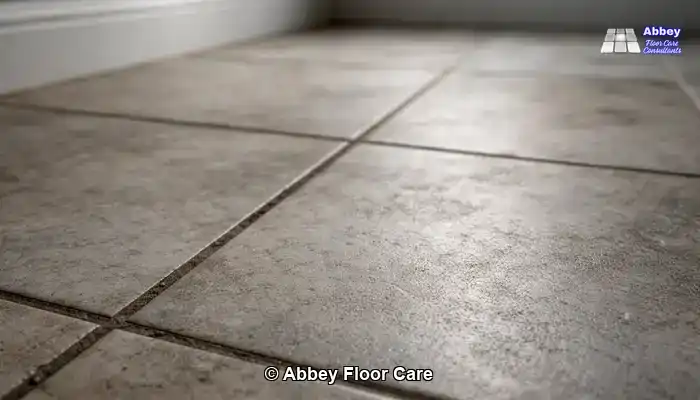
As a dedicated Porcelain Tile Restoration expert, I often receive queries from homeowners in Surrey who are concerned with the state of their porcelain tiles. Frequently, these tiles exhibit a dull or dirty appearance, even after extensive cleaning efforts. This problem is particularly apparent on textured surfaces, where dirt and grime infiltrate the detailed patterns of the tiles instead of merely resting on the surface. Such build-up results in an unsightly look that detracts from the overall beauty of the flooring.
Another common issue raised by homeowners is the presence of a grey film after mopping, which is typically caused by grout haze or residue from cleaning detergents rather than actual stains. This ongoing problem can be especially disheartening for homeowners, as it undermines their cleaning efforts and often leads to additional scrubbing attempts that yield little to no improvement.
Over time, grout may become discoloured and uneven, resulting in an unappealing contrast with the tiles, which often look unaffected. This occurs because grout has a tendency to absorb moisture and contaminants at a significantly higher rate than porcelain, leading to an unattractive appearance that many homeowners aim to avoid.
When polished porcelain tiles are installed, homeowners frequently observe subtle swirls and a noticeable decrease in clarity. These issues arise from microscratches accumulating on the factory finish of the tiles, rather than being indicative of any deep-seated damage to the tiles themselves. This leads to a frustrating yet superficial visual problem that homeowners wish to rectify.
Why Does Porcelain Exhibit Different Behaviour Compared to Surrounding Grout?

Porcelain is a fully vitrified material, which grants it exceptional resistance to absorption. As a result, most challenges present themselves as chemical films on the surface instead of penetrating the body of the tile. This unique characteristic allows porcelain to maintain its structural integrity and aesthetic appeal over time, provided it is properly cared for and maintained.
In stark contrast, cement-based grout is inherently porous, allowing contaminants to seep in and gradually discolour the material. This property is a key reason why grout often appears older and more stained than the surrounding tiles, disappointing homeowners who expect a harmonious and uniform look across their flooring.
In kitchens and bathrooms throughout Surrey, hard water can lead to the accumulation of mineral deposits, resulting in unsightly chalky limescale deposits. These stubborn deposits can be particularly challenging to remove and may necessitate more than standard cleaning efforts, underscoring the need for targeted cleaning strategies.
Since porcelain tiles generally resist stain absorption, attempts to eradicate these unsightly marks with harsh cleaning products often end up affecting the grout and adjacent joints instead, leaving the underlying issue unresolved. This misguided cleaning approach can exacerbate the problem rather than improve the overall condition of the flooring.
When Is It Necessary to Seek Professional Deep Cleaning—And What Limitations Should You Bear in Mind?
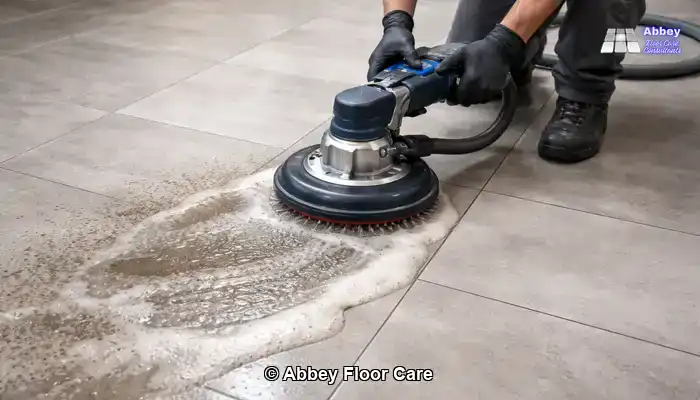
When residues, haze, or soil build up on the floor, a professional deep clean utilises specialised products along with controlled chemical and mechanical methods to thoroughly break down these films while ensuring the safety of the porcelain tiles. This approach not only restores the tiles' appearance but also preserves their integrity throughout the cleaning process.
Specialist alkaline solutions are applied to eliminate grease and general traffic soil since alkaline cleaners effectively target organic build-up without harming the tile. This carefully selected method guarantees that the deep cleaning process is both efficient and safe for your flooring.
Following this, acidic solutions are cautiously used to dissolve mineral films and stubborn grout residues, typically performed through an acid wash when conditions permit. This two-step process ensures thorough cleaning without risking damage to the floor.
After agitation, it is vital to effectively remove the resulting slurry using slurry extraction. Failing to execute this step may cause residues to redeposit on the floor, resulting in a recurrence of haze and negating the advantages gained from the deep clean.
Nevertheless, even the most effective deep cleaning cannot reverse the effects of bleached grout or repair wear in joints, as these underlying issues stem from the grout itself rather than the surface of the tiles.
In What Situations Does Grout Recolouring or Joint Renovation Offer Greater Advantages?
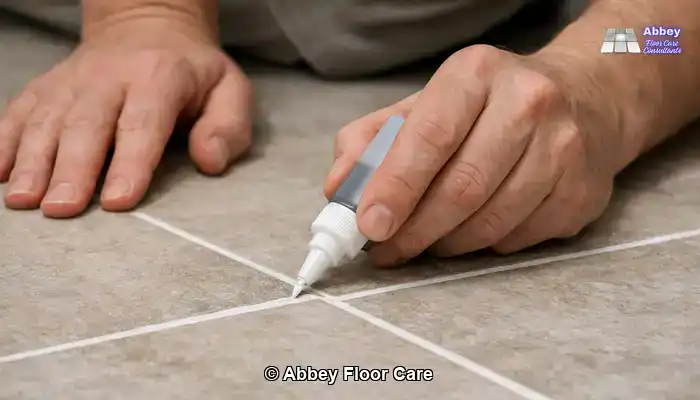
When grout has faded, stained, or shows uneven colour, the most effective cosmetic enhancement is grout recolouring, performed following thorough preparation. This technique involves applying a colour-stable coating across the joint to restore a more consistent shade while simultaneously protecting the grout from future soiling.
While recolouring significantly improves the appearance of the grout, it does not physically reinforce weakened joints, as the grout's structural integrity remains unaltered beneath the surface. Therefore, it is essential to assess whether the underlying issues require more than just a cosmetic solution.
In cases where joints are cracked, missing, or contaminated, opting for local repair or replacement is often a more practical solution than trying to conceal these problems with colourants. Addressing the root cause ensures a longer-lasting and more effective enhancement to your flooring.
When Is Burnishing a Polished Porcelain Floor a Viable Option?
When polished porcelain is installed, burnishing may be employed to enhance the surface, using ultra-fine abrasives to restore clarity to the polished finish. This process effectively smooths micro-scratches, rejuvenating the floor's visual appeal.
Rather than grinding away material, burnishing refines the surface with a high-quality burnishing pad. This technique maintains the integrity of the tiles while enhancing their aesthetic qualities.
Although burnishing can enhance reflection and uniformity, it cannot recreate a compromised factory finish if the original surface has already sustained damage. It is crucial to evaluate the condition of the flooring prior to proceeding with this method to ensure its appropriateness.
Before any burnishing work, we perform small test areas to determine whether the burnishing process offers sufficient improvement to justify the investment. This careful consideration ensures that the decision is both informed and advantageous.
When Is Tile Replacement the Only Reasonable Solution for Damaged Tiles?
When tiles become chipped or cracked, the only practical solution is replacement, assuming spare tiles are still available. Regrettably, porcelain bodies cannot be convincingly repaired, as any filler or coating would merely sit on the surface and detract from the aesthetic appeal of the surrounding porcelain tiles.
The replacement process demands meticulous care to prevent damage to adjacent tiles and to protect any heating systems located beneath the floor, such as underfloor heating (UFH). Proper planning and execution are essential to ensure a seamless replacement process without complications.
This decision should be guided by a comprehensive inspection, as the feasibility of tile removal hinges on adhesive strength, tile availability, and the condition of the surrounding grout. Each scenario is distinct, necessitating a tailored approach to achieve the best results.
What Importance Does Sealing Hold for Porcelain Tiles?
Most porcelain tiles do not require sealing due to their non-porous nature. Applying a coating often results in a film on the surface of porcelain tiles, which can detract from their visual appeal. However, exceptions exist for micro-porous porcelain, where targeted sealing can help mitigate staining and simplify maintenance tasks.
Textured porcelain may benefit from additional protection in high-traffic areas. However, this should be evaluated on a case-by-case basis using porosity testing to ascertain the necessity and effectiveness of any sealing measures.
In instances where sealing is deemed appropriate, an impregnating sealer is typically preferred, as it provides a protective barrier without altering the visual characteristics of the floor. This method ensures the longevity and appearance of the tiles are maintained for many years.
How Does a Specialist Evaluate Your Floor Prior to Recommending Services?
The evaluation process begins with a thorough understanding of the tile type, installation age, and household usage patterns. This information enables us to tailor our approach to the specific porcelain tiles under examination. Each assessment is unique, reflecting the individual features of your flooring.
We conduct a meticulous inspection of the joints, as the long-term appearance of the floor often hinges more on the grout than on the tiles themselves. This comprehensive examination ensures that we address all factors affecting the floor's condition and durability.
Implementing test patches allows us to observe how various residues respond, confirm whether an alkaline cleaner or an acidic stage is necessary, and identify areas where it is unsafe to use either solution. This thoughtful consideration guarantees that all cleaning methods are safe, effective, and suitable for your specific flooring requirements.
When considering gloss recovery, controlled trials with a burnishing pad enable us to demonstrate what improvements are attainable before any commitment is made. This measured strategy ensures that clients have a clear understanding of potential outcomes and the value of the service.
What Cannot Be Guaranteed Without Conducting a Floor Inspection?
I cannot assure a “like-new” result for grout, as the outcome is dependent on the original grout condition, not solely on the cleaning process. Each scenario is unique, and expectations should be managed accordingly to ensure satisfaction.
I do not endorse automatic sealing, as unnecessary coatings can result in sealer residue, which is both challenging and costly to remove. A careful assessment determines whether sealing is required based on the specific conditions of the flooring.
Furthermore, I cannot guarantee that burnishing will restore the original finish, as it refines the existing factory finish but cannot reconstruct what has been lost over time. Each procedure has its limitations, and I remain committed to providing transparent and honest information.
Lastly, I will not estimate costs without performing a thorough inspection, as the materials, type of contamination, and condition of the porcelain tiles influence each decision. This approach ensures that all estimates are informed, accurate, and tailored to your flooring needs.
Crucial Maintenance Practices to Ensure Longevity Following Restoration
Regular cleaning should focus on using a pH-neutral cleaner to prevent residue accumulation and protect joints from damage caused by harsh chemicals. This approach guarantees that your flooring remains visually appealing and prolongs its pristine condition for many years.
It is essential to avoid steam, bleach, or heavy detergents, as these substances can accelerate fading and weaken the grout, even when the tiles appear unaffected. This proactive strategy safeguards the flooring's integrity and ensures its durability over time.
For homes with hard water, regularly wiping down wet areas helps prevent limescale deposits from hardening on surfaces. This preventative measure enhances the overall cleanliness of the tiles and significantly diminishes the need for intensive cleaning efforts.
When soils start to reappear quickly, it typically indicates that the floor requires professional slurry extraction rather than relying on stronger household products. This insight ensures that appropriate and effective cleaning measures are implemented to maintain your floor's beauty.
Next Steps If You Are Unsure About Needing Specialist Assistance
If you are uncertain whether the issues you are encountering stem from residue, grout ageing, or surface scuffing, the best course of action is to engage in a calm, inspection-led discussion with a porcelain specialist. This conversation ensures you receive informed, tailored advice that is specific to your situation.
Our role extends beyond merely outlining what is suitable for your floor; we aim to clarify what cannot be achieved and how an assessment can protect your home from further issues. Understanding the condition of your flooring is crucial to making informed decisions.
If you would like a professional evaluation of your porcelain floor in Surrey, I am happy to arrange a straightforward assessment to outline realistic expectations and address any concerns you may have.
The Article: Do You Really Need a Specialist for Porcelain Tile Restoration in Surrey? First found on https://www.abbeyfloorcare.co.uk
The Article Specialist for Porcelain Tile Restoration: Is It Necessary in Surrey? appeared first on https://fabritec.org
The Article Porcelain Tile Restoration: Do You Need a Specialist in Surrey? Was Found On https://limitsofstrategy.com