Discover Essential Ingredients for Crafting Irresistible Festive Treats for Your Pets
What Ingredients Are Nutritious and Safe for Your Beloved Pets?

Creating festive treats for your cherished pets involves a thoughtful selection of ingredients that are not only delicious but also beneficial for their health. Choosing pet-friendly ingredients is essential for ensuring the safety and flavour of these treats, while also delivering a nutritional boost. Ingredients like pumpkin, peanut butter, and oats are not only palatable but also provide significant nutritional advantages. For example, pumpkin is loaded with fibre and essential vitamins that support digestive health and overall wellness in pets. On the other hand, peanut butter (just ensure it contains no xylitol) is a superb source of healthy fats and proteins, making it a beloved option for dogs.
Improving the quality of your homemade treats by swapping out harmful ingredients for healthier alternatives can have a remarkable impact. Rather than using traditional flour that might contain gluten, consider alternatives like almond flour or oat flour, which tend to be gentler on your pet's digestive system. Additionally, replacing sugar with unsweetened applesauce not only introduces moisture but also removes the health risks associated with sweeteners. This mindful approach caters to your pet's taste preferences while fostering a responsible pet-parenting strategy that prioritises their health and happiness.
Key Considerations for Selecting Premium Ingredients
Selecting high-quality ingredients is vital for producing festive pet treats that are both safe and enjoyable. Begin your journey by sourcing fresh and natural components whenever possible. Aim for organic options as they are less likely to harbour harmful pesticides and additives. When choosing fruits and vegetables, look for vibrant colours and the absence of blemishes, as these characteristics are indicators of freshness and enhance flavour quality.
Variety is crucial when preparing treats, as it keeps your pets engaged and excited. Incorporating ingredients such as sweet potatoes, carob, and cinnamon can broaden the flavour spectrum and sustain your pet’s enthusiasm. Keep in mind that simplicity often yields the best results; straightforward combinations typically create the most effective treats. For example, blending pumpkin puree with whole oats and an egg creates an excellent base for a nutritious treat.
Crucial Preparation Techniques for Beginner Treat Makers
If you are embarking on your journey to craft pet treats for the first time, following a few basic preparation techniques can greatly enhance your experience. Start with simple recipes that require few steps and ingredients. Ensure you have essential tools at hand, such as measuring cups, mixing bowls, a baking sheet, and cookie cutters to create fun shapes. Prioritise hygiene by keeping your workspace tidy and preventing cross-contamination with human food items.
When mixing, it is advisable to blend dry ingredients and wet ingredients separately before combining them to achieve the desired consistency. Accurate measurements are critical for achieving the right texture; using an excessive amount of flour can result in dry treats, while too much liquid can lead to a soggy outcome. Focus on the consistency of the dough, aiming for a texture that is mouldable yet maintains its shape.
- Measuring cups and spoons
- Mixing bowls of various sizes
- Baking sheets lined with parchment paper
- Cookie cutters in playful shapes
- Storage containers for finished treats
- Silicone mats for hassle-free non-stick baking
What Festive Treats Are Ideal for Your Pets?

How Do Pets Respond to Festive Flavours?
Pets display a diverse range of taste preferences that often mirror those of humans. For instance, dogs generally lean towards savoury flavours, while cats may gravitate towards the sweetness found in certain fruits. Different species react uniquely to festive flavours, making it essential to tailor treats according to their specific preferences. Dogs typically relish flavours such as chicken, pumpkin, and peanut butter, while cats often favour treats featuring fish or chicken.
Understanding these flavour preferences can significantly enhance your festive treat-making efforts. By offering a variety of flavours, you can keep your pets engaged and satisfied, particularly during festive occasions when family dynamics may change. Observing your pets' reactions will also provide valuable insights for future treat-making projects. For example, if your dog shows a strong preference for a particular flavour, you may want to create treats that prominently feature that ingredient more often.
Innovative Recipe Variations for Festive Treats
Embracing creativity and experimentation is essential when it comes to crafting festive treats for your pets. You can create delightful recipes using commonly available ingredients while ensuring they provide the necessary nutritional balance for your pet's health. For instance, a simple blend of peanut butter, oats, and banana can serve as a quick and tasty treat. Alternatively, mixing pureed pumpkin with whole wheat flour and coconut oil yields a nutritious snack rich in flavour.
Do not hesitate to experiment with different combinations. For example, consider using carob powder as a dog-friendly alternative to chocolate, creating a rich treat that many dogs adore. Incorporating shredded carrots or zucchini can further boost the nutritional value. The key lies in your willingness to explore, adjust recipes according to your pets' preferences, and keep a record of successful combinations for future reference.
Finding the Right Balance Between Fun and Nutrition
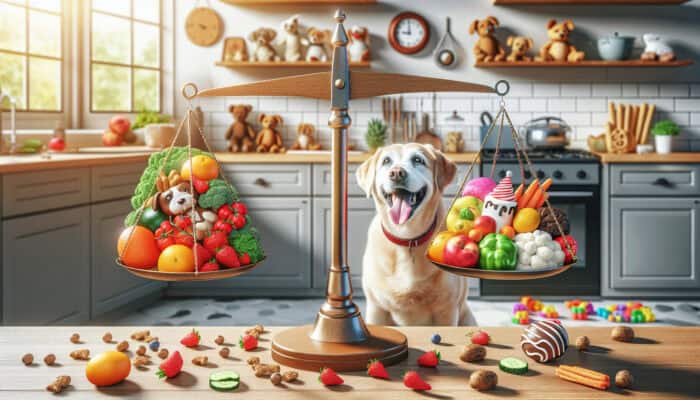
Incorporating treats into your pet's diet requires careful consideration to maintain a healthy balance. While festive treats can be a delight, it is crucial to ensure they complement your pet’s overall nutritional requirements. Including treats as part of a well-rounded diet guarantees that pets receive essential vitamins and minerals while still enjoying festive flavours.
Setting a limit on treats is essential, ensuring they comprise no more than 10% of your pet’s daily caloric intake. This strategy promotes moderation, allowing pets to indulge in festive treats without compromising their dietary balance. Furthermore, using treats as rewards during training sessions can enhance their psychological well-being and reinforce positive behaviours.
How Can You Identify Safe Ingredients for Pets with Food Sensitivities?
For pets with allergies or sensitivities, recognising safe ingredients is paramount. Many pets may have adverse reactions to common ingredients like wheat, soy, and certain proteins. For these pets, opting for hypoallergenic ingredients is crucial. Utilising alternative flours such as oat flour or chickpea flour can accommodate pets with gluten sensitivities.
When preparing treats, be vigilant about any known allergies your pet may have. Gradually introducing new ingredients can help identify any negative reactions. Additionally, consulting a veterinarian for tailored advice on suitable ingredients and recipes can provide valuable insights, ensuring festive enjoyment without compromising your pet’s health.
Weighing the Pros and Cons of Homemade Versus Store-Bought Treats
Deciding between homemade and commercial treats involves considering various factors. Homemade options offer unrivalled control over ingredients, allowing for customization to suit individual pet preferences and dietary needs. They can also be more economical and often free from preservatives and additives commonly found in commercial products.
Conversely, commercial treats provide convenience, as they are typically ready to use and available in diverse flavours and formats. However, they may not always align with your pet’s specific dietary requirements. It is essential to read labels meticulously, opting for high-quality options that do not contain harmful ingredients. Although making homemade treats may require some effort, the health benefits and peace of mind regarding your pet’s nutritional intake often make it worthwhile.
Expert Advice on Crafting Festive Pet Treat Recipes
What Advantages Are Gained by Choosing Natural Ingredients Over Processed Ones?
Focusing on natural ingredients in pet treats can lead to improved health outcomes for your pets. Processed options frequently contain additives, preservatives, and artificial ingredients that can negatively affect a pet's health over time. Selecting whole foods, such as fruits, vegetables, and high-quality proteins, provides essential nutrients crucial for their well-being.
Experts advocate for incorporating a diverse range of natural ingredients to promote the health and longevity of pets. Whole foods are less likely to trigger allergies and sensitivities, making them a safer choice for pets with dietary restrictions. Furthermore, using natural ingredients fosters better digestion and overall health, contributing to happier, healthier pets.
Advanced Techniques to Elevate the Quality of Treats
Enhancing basic festive pet treat recipes can be accomplished through various advanced techniques. Consider experimenting with textures to boost appeal; for example, incorporating crunchy elements like pumpkin seeds or using a dehydrator to create chewy treats can provide exciting variety. Additionally, employing different cooking methods, such as baking, freezing, or dehydrating, can modify the texture and flavour profile of the treats.
Utilising flavour pairings can further enhance the appeal of your treats. Combining sweet and savoury elements, such as peanut butter with apple or pumpkin with cinnamon, can create an exhilarating taste experience. Additionally, experimenting with various presentation styles, like shaping treats into festive figures or adding pet-safe toppings, can make treat time even more enjoyable.
How Can You Measure Success Based on Your Pet's Reactions?
Observing your pets' reactions to treats is vital for evaluating success. Positive responses may reveal themselves through increased energy levels, excitement during treat time, and an overall improvement in behaviour. Look for signs of playfulness and engagement when presenting treats, as these indicate a successful introduction.
If a pet shows negative reactions, such as digestive issues or lack of interest, adjustments should be made. Trying smaller portions or modifying ingredients can lead to better outcomes. Regularly monitoring how different treats affect your pet enables you to refine your approach and ensure ongoing enjoyment while catering to their health needs.
Expert Recommendations for Safely Introducing Seasonal Flavours
Incorporating seasonal flavours into pet treats can be done safely with several expert recommendations. Ingredients such as pumpkin, cinnamon, and sweet potatoes are not only festive but also beneficial for pets. When introducing these flavours, start with small quantities to observe your pet's reaction and confirm there are no digestive issues.
For example, adding a hint of cinnamon to a treat can provide a warm flavour, but it is essential to use it sparingly, as excessive amounts could cause stomach upset. Furthermore, emphasising fresh, pet-safe ingredients is crucial; avoid commercially prepared items that may contain additives. This approach combines festive enjoyment with health benefits, ensuring that your pets can safely partake in the holiday spirit.
What Are the Best Practices for Safely Preparing Festive Treats?
What Safety Measures Should Be Implemented During Preparation?
Ensuring safety while preparing festive treats for your pets is of utmost importance. Start by reviewing common hazards and taking proactive steps to avoid them. Always perform allergy checks on ingredients, especially when introducing something new to your pet's diet. This precaution helps prevent adverse reactions that could jeopardise your pet's health.
Proper storage of treats also plays a critical role in safety. Store treats in airtight containers to prevent contamination and maintain freshness for extended periods. Keep an eye on expiration dates and ensure that ingredients are within their safe usage period. Additionally, keep your workspace organised and clean to minimise the risk of cross-contamination with human food items, guaranteeing a worry-free experience when enjoying homemade treats.
Quick and Simple Recipes for Festive Treats
Quick preparation can make the process of creating festive treats enjoyable and efficient. Simple recipes often require just a handful of ingredients and minimal steps. For instance, mixing mashed banana, oats, and peanut butter creates a nutritious dough that can be quickly shaped and baked in no time.
For a no-bake alternative, blend rolled oats with pumpkin and a sprinkle of cinnamon, then roll the mixture into bite-sized balls. These can be chilled in the refrigerator for a cool and refreshing treat. Simplifying the preparation process without compromising quality ensures that pet parents can create memorable treats easily, fostering a joyful atmosphere during festive occasions.
Customising Recipes for Pets with Diverse Dietary Needs
Adapting recipes to accommodate pets with various dietary requirements is crucial to ensure all pets can enjoy festive treats. Start by identifying any specific sensitivities your pet may have; for example, gluten-free flours can be employed for pets with wheat allergies. Additionally, consider alternative protein sources such as chickpeas for dogs, which are rich in fibre and protein.
Modifications can also be made to adjust sweetness. Utilising natural alternatives, like mashed fruits instead of refined sugars, helps maintain flavour while being considerate of your pet’s dietary constraints. By customising recipes to address diverse needs, every pet can partake in holiday delights without compromising their health and well-being.
Finding High-Quality Ingredients for Festive Treats
Sourcing quality ingredients is essential for ensuring the safety and nutritional integrity of festive pet treats. Seek out fresh, organic produce and reputable suppliers who prioritise quality. Reading labels is crucial; always check for hidden additives and preservatives.
When purchasing commercial items, opt for brands that emphasise pet health and transparency. Visit local farmers' markets for fresh fruits and vegetables, or consider online retailers that specialise in organic pet supplies. These strategies minimise the risk of contamination and ensure the ingredients used in your festive treats promote optimal health and well-being.
Creative and Safe Decoration Ideas for Pet Treats
Decorating festive treats not only enhances their visual appeal but also enriches the experience for pets and their owners. Use pet-safe colouring agents, such as beet juice or turmeric, to create vibrant decorations. Consider topping treats with small pieces of fruit or vegetables for added decoration and nutrition.
Additionally, using silicone moulds can create fun shapes that make treats visually engaging. Ensure that any decorative elements are non-toxic and suitable for your pet's dietary needs. Engaging in the decoration process allows for creativity while prioritising safety, enhancing the festive spirit during holiday celebrations.
Research-Backed Benefits of Festive Treat Recipes for Pets
How Do Treats Contribute to Your Pet's Overall Happiness?
Treats can significantly enhance a pet's happiness, positively impacting both emotional and physical well-being. Research indicates that receiving treats can strengthen the bond between pets and their owners, fostering a sense of security and joy. Incorporating treats into daily routines also serves as positive reinforcement during training, enhancing behaviour and social interactions.
To maximise these benefits, consider establishing specific times for treat-giving, integrating it into play or bonding activities. Observing changes in your pet's demeanour during these moments can provide valuable insights into their emotional well-being. Not only do treats bring joy to their daily lives, but they also serve as essential tools for improving training and socialisation.
Long-Term Benefits of Homemade Treats
Homemade treats offer numerous long-lasting advantages, primarily due to the quality of ingredients used. Fresh components deliver essential nutrients that promote health and longevity in pets. For instance, incorporating wholesome vegetables and healthy fats can enhance coat quality and overall vitality.
Moreover, homemade treats often lack the preservatives and artificial ingredients found in many commercial options, thereby reducing the risk of long-term health complications. By focusing on fresh, high-quality ingredients, pet owners can support better health outcomes for their pets, ensuring many joyful years filled with playful moments and loving companionship.
- Fewer preservatives and additives
- Control over ingredient quality
- Customisable flavours for individual preferences
- Enhanced nutritional benefits
- Lower risk of allergies and sensitivities
Avoiding Common Pitfalls in Treat-Making
While creating festive treats can be an enjoyable process, several common mistakes can hinder success. One significant issue is disregarding ingredient compatibility, which can lead to unappealing flavours or negative reactions. Always ensure that the chosen ingredients complement each other and are safe for your specific pet.
Another frequent error is overlooking portion sizes, as excessive treats can lead to overindulgence and related health issues. Additionally, using unhealthy or toxic ingredients can exacerbate problems, putting your pet's safety at risk. By remaining informed and prepared, you can sidestep these pitfalls and create a positive treat-making experience.
The Role of Festive Ingredients in Boosting Pet Immune Health
Including festive ingredients in pet treats can significantly enhance immune health. Components such as pumpkin, blueberries, and cranberries offer numerous health benefits, including antioxidants that fortify the immune system. Pumpkin, abundant in vitamins A, C, and E, also aids digestion and provides essential fibre.
Creating simple recipes featuring these ingredients can enrich your pet's diet, ensuring they receive vital nutrients while enjoying festive flavours. Monitoring your pet's responses to these ingredients can yield valuable insights into their health, assisting you in adjusting recipes for maximum benefits while prioritising safety and enjoyment.
How Do Festive Treats Influence Pet Social Interactions?
Festive treats can greatly enhance the bonding experience between pets and their owners while improving social interactions among pets. Evidence suggests that sharing treats during celebrations fosters togetherness and encourages positive behaviours. Incorporating treats into playtime routines invites pets to engage more with their owners, strengthening their emotional connections.
To capitalise on these benefits, consider offering special treats during social gatherings, using them as rewards during training or play sessions. Observing your pet's behaviour during these moments can provide valuable insights into their social dynamics. By using festive treats strategically, you can promote rewarding interactions and create lasting memories.
Why Is Choosing Homemade Treats the Best Choice for Your Pets?
What Distinguishes Homemade Treats from Commercial Alternatives?
Homemade treats stand out from commercial options due to the control and personalisation they provide. Pet owners can carefully select each ingredient, ensuring quality and suitability for their pets’ dietary needs. This level of customisation allows for unique flavour combinations tailored to individual pet preferences, enhancing the overall treat experience.
Additionally, homemade treats are often more cost-effective than store-bought options, especially when made in bulk. This practice not only supports better health but also fosters a deeper connection between pets and their owners, as the process of making treats together can be a joyful bonding experience.
What Factors Affect the Effectiveness of Treats?
Several factors influence the effectiveness of pet treats, including freshness and portion control. Freshly made treats tend to be more appealing to pets, offering rich aromas and flavours. Proper portioning is also crucial to ensure treats function as rewards without leading to overindulgence, which is vital for maintaining a balanced diet.
Consider your pet’s age and activity level when determining treat size. Active pets may require larger portions for energy, while less active pets should receive smaller sizes to prevent weight gain. Observing your pet’s reactions to different treat sizes can provide valuable feedback to inform your future treat-making efforts.
Emerging Trends in Pet Nutrition and Treats
Pet nutrition trends are continually evolving, with an increasing focus on holistic and natural options. Pet owners are becoming more inclined to favour fresh ingredients while avoiding processed foods, contributing to a growing demand for homemade treats. This shift highlights the rising awareness of the significance of quality nutrition and the detrimental effects of additives commonly found in many commercial products.
Emerging trends also spotlight the incorporation of superfoods into pet diets, such as chia seeds and kale, which provide exceptional nutritional benefits. By aligning treat creation with these trends, pet owners can ensure their pets enjoy optimal health while indulging in festive flavours that contribute to overall wellness.
Best Practices for Storing and Serving Festive Treats
How Can You Store Treats Effectively for Maximum Freshness?
Properly storing festive treats is essential for maintaining their freshness and safety. Keep treats in airtight containers to prevent moisture exposure, which can lead to spoilage. Depending on the ingredients used, consider refrigerating homemade treats, especially those containing perishable items like yogurt or fruits.
Labeling containers with preparation dates can help ensure that treats are consumed while still fresh. Keep track of storage duration; most homemade treats retain optimal quality for about one to two weeks, depending on the ingredients. Always inspect for signs of spoilage before offering treats to pets, emphasising safety alongside enjoyment.
Creative Ideas for Presenting Treats
Serving treats in innovative ways can enhance the experience for both pets and their owners. Consider presenting treats in festive containers or using decorative plates to make treat time feel more special. Incorporating interactive elements, such as hiding treats in puzzle toys, encourages pets to engage in play while enjoying their rewards.
Another delightful idea is to create a “treat buffet” during holiday gatherings, allowing pets to sample a variety of flavours in a lively and engaging environment. This approach not only adds excitement to treat time but also promotes social interactions among pets, creating a joyful atmosphere during festive celebrations.
How Can You Monitor Your Pet's Reactions Over Time?
Monitoring your pets' responses to treats over time is essential for ensuring ongoing enjoyment and health benefits. Keeping a journal of any changes in behaviour, energy levels, or health can provide insights into how well different treats are received. This practice enables adjustments based on what works best for your pet.
If you notice positive reactions, such as increased playfulness or eagerness during treat time, consider incorporating those types of treats more regularly. Conversely, if any adverse reactions occur, it is important to reassess the ingredients and portion sizes. This careful observation ensures that your pet continues to thrive while enjoying festive treats, making each celebration a delightful occasion.
Frequently Asked Questions
Which Ingredients Are Most Suitable for Homemade Pet Treats?
Opt for natural ingredients like pumpkin, peanut butter, and oats, ensuring they are safe and non-toxic for your pets.
Can All Pets Enjoy Identical Festive Treats?
Not all pets have the same dietary needs or preferences; it's essential to customise treats based on individual species and any known allergies.
How Often Should I Provide My Pet with Treats?
Treats should comprise no more than 10% of your pet's daily caloric intake to maintain a balanced diet.
What Harmful Ingredients Must Be Avoided?
Steer clear of chocolate, xylitol, grapes, and certain nuts, as these can be toxic to pets.
What Is the Shelf Life of Homemade Treats?
Homemade treats typically last about one to two weeks when stored in airtight containers; refrigeration can help extend their freshness.
Is It Safe to Incorporate Human Food into Pet Treats?
Many human foods are safe for pets, but always verify the absence of harmful ingredients and consult your veterinarian if unsure.
What Are Some Safe Decoration Options for Pet Treats?
Utilise pet-safe colours, such as beet juice, and non-toxic toppings like fruits or vegetables to enhance visual appeal while ensuring safety.
How Can I Tell If My Pet Likes a Treat?
Signs of enjoyment include enthusiasm, eagerness to accept the treat, and positive behaviours during and after consumption.
Should I Consult My Vet Before Making Homemade Treats?
Yes, consulting your veterinarian can provide personalised advice based on your pet's specific health needs and dietary restrictions.
What Are Some Simple Recipes for Beginners?
Begin with straightforward recipes like peanut butter and oatmeal bites that require minimal ingredients and steps for quick preparation.
Connect with us on Facebook!
The Article Festive Treat Recipes for Pets: Easy Homemade Delights First Published On https://elgatoencasa.com
The Article Pet Festive Treat Recipes: Easy Homemade Delights Was Found On https://limitsofstrategy.com