Explore the Best Climbing Structures to Keep Your Cats Active and Entertained
Discover Creative Designs that Enhance Feline Agility and Playfulness
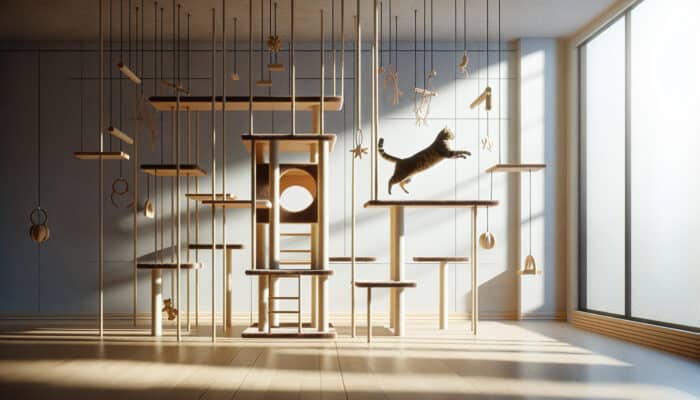
Climbing structures tailored for cats come in a multitude of inventive designs that cater to their natural climbing instincts. These structures not only promote physical exercise but also provide essential mental stimulation, which is vital for your cat's overall health and happiness. Whether you choose to set up indoor climbing adventures or venture into outdoor explorations, these climbing configurations allow your cats to traverse various heights and textures, enhancing their agility and overall quality of life. Some of the most beloved designs among cat owners include:
- Wall-mounted shelves that encourage vertical exploration
- Cat trees boasting multiple levels for exhilarating climbing experiences
- Outdoor cat enclosures that ensure safe outdoor adventures
- Climbing ramps and bridges facilitating smooth transitions
- Hammock-style loungers providing relaxing retreats
- Interactive play towers crafted to engage your cat’s playful instincts
- Multi-functional furniture that optimises living space
- Vertical scratching posts that satisfy scratching needs
These climbing structures not only satisfy your cat's innate urge to climb but also foster an engaging environment that nurtures play and exploration, which are key to ensuring a joyful and healthy feline companion.
Choosing the Best Materials for Safe and Durable Climbing Structures
When selecting materials for climbing structures, it is essential to make informed decisions that ensure both safety and longevity for your energetic cats. By choosing high-quality, durable components, you guarantee that these structures can endure vigorous climbing sessions while being easily installed in various home environments. Common materials that cat owners often consider include:
- Natural wood for robust support and an aesthetic appeal
- Sisal rope for satisfying scratching surfaces
- Non-toxic adhesives ensuring safety
- Carpet or fabric enhancing comfort
- Metal brackets providing reliable structural integrity
- Plastic connectors for lightweight, user-friendly designs
- Water-resistant finishes suitable for outdoor applications
The careful selection of these materials significantly enhances the safety and comfort of climbing structures, ensuring they remain functional and appealing for both cats and their owners. Such thoughtful design fosters a secure and enjoyable play environment.
How Can You Tailor Climbing Structures for Various Cat Sizes?
When designing climbing structures for your feline companions, it is crucial to customise them to accommodate each cat's physical needs. This customisation highlights the importance of balance and strength, both of which are vital for their overall health and activity levels. By considering varying sizes and configurations, you can cater to different breeds and ages, creating enriching environments that meet their specific requirements.
For example, larger cats may benefit from broader platforms and sturdier supports to feel secure, while smaller cats might thrive in more intricate designs featuring multiple climbing levels. Customising these structures not only enhances their agility but also instils confidence in their movements, ultimately encouraging more active play and a more fulfilling lifestyle.
How Do Climbing Structures Enrich the Lives of Active Cats?
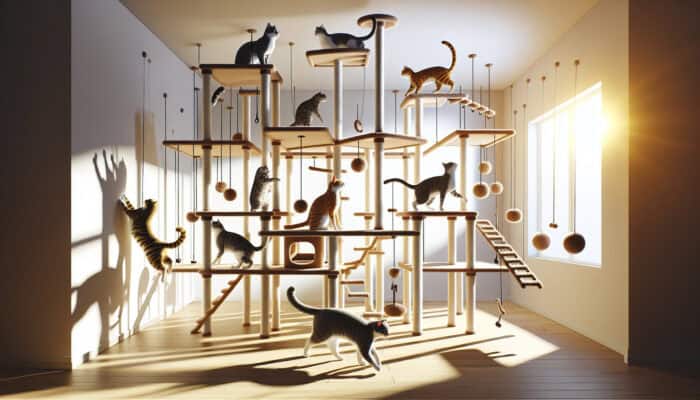
Boosting Physical Health Through Active Play Opportunities
Climbing structures play a pivotal role in promoting your cat's physical health. Engaging in climbing activities significantly improves muscle tone and coordination, substantially reducing the risk of obesity. As cats traverse these structures, they activate diverse muscle groups, positively contributing to their overall fitness. Adult cats, particularly those leading more sedentary lifestyles, can benefit greatly from regular climbing sessions, which help elevate their daily energy levels and vitality.
By maintaining an active lifestyle through climbing activities, you not only support their physical health but also keep them agile and flexible, thereby minimising the likelihood of injuries associated with inactivity. Incorporating climbing into their playtime fosters a vibrant and healthier life for your feline companions, ensuring they remain active and happy.
What Mental Benefits Do Climbing Structures Provide for Cats?
Climbing structures offer substantial mental advantages for active cats. By creating environments that promote exploration and problem-solving, these structures help alleviate boredom and stimulate your cat's natural instincts. Cats are instinctual hunters, and structures designed to align with these instincts encourage more satisfying behaviours, thereby reducing the chances of destructive tendencies.
The climbing experience ignites a cat's curiosity, prompting them to explore new heights and vantage points. This mental stimulation is crucial, as it enhances cognitive function and mitigates stress-related issues, resulting in a well-rounded, content cat thriving in their environment.
How to Incorporate Climbing into Your Cat's Daily Activities
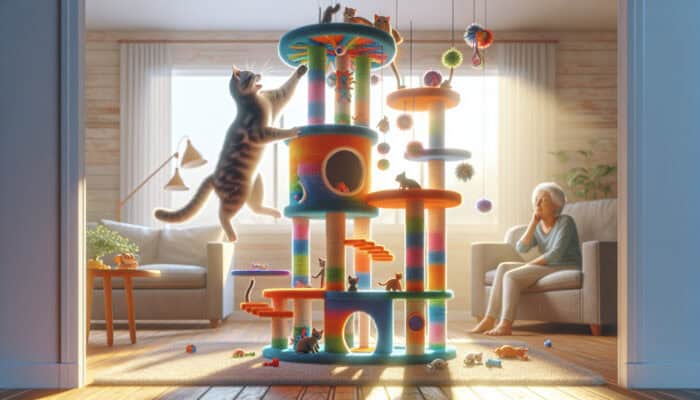
Integrating climbing activities into your cat's daily routine can significantly enhance their activity levels and overall engagement with their surroundings. Simple strategies can effectively improve their environment. For instance, owners can schedule interactive play sessions using climbing structures, allowing cats to explore while chasing toys or interacting with their human companions.
Moreover, placing treats or toys at various heights on the structure encourages cats to climb and investigate, seamlessly integrating exercise into their daily lives. This routine cultivates a sense of normalcy and promotes consistent engagement, ensuring that cats remain active and mentally stimulated throughout the day, ultimately leading to happier, healthier pets.
Prioritising Safety to Prevent Injuries in Climbing Structures
Safety remains a paramount concern when selecting climbing structures for active cats. Structures with stable platforms and padded edges are essential in preventing falls and injuries. Ensuring that climbing installations are secure allows cats to explore with confidence, which is vital for their physical and emotional well-being.
Furthermore, well-constructed climbing structures significantly reduce the risk of accidents, leading to fewer visits to the veterinarian and enhancing the overall quality of life for cats. By emphasising safety features, cat owners can create a secure environment where their pets can indulge their natural climbing instincts, making playtime more enjoyable.
How Climbing Structures Promote Positive Social Interactions Among Cats
In households with multiple cats, climbing structures are instrumental in fostering positive social interactions. By providing vertical spaces, these structures help reduce conflicts, allowing cats to establish hierarchies without direct confrontations. Vertical territories offer a safe retreat for each cat to observe their surroundings, cultivating a more harmonious living environment for all feline residents.
This vertical separation alleviates stress in cats, enabling them to engage in play and exploration without the pressure of direct encounters. As a result, climbing structures cater to each cat's individual needs while enhancing social dynamics within a multi-cat household, creating a peaceful habitat where active feline companions can thrive.
Expert Recommendations for Selecting the Ideal Climbing Structures for Active Cats
Practical Steps for Choosing the Perfect Structure
Choosing the right climbing structure for your cat requires a thorough assessment of their activity level, size, and unique personality traits. Start by observing how much your cat enjoys climbing and exploring. For instance, a highly energetic cat would thrive with multi-level cat trees or wall-mounted shelves, offering extensive vertical exploration and play opportunities.
Real-world examples illustrate the effectiveness of these setups. For instance, a cat owner with an exuberant feline found that introducing a tall cat tree with various platforms encouraged their cat to engage in more physical play, significantly curbing destructive behaviours around the home. Observing your cat's preferences and adjusting the climbing structures accordingly ensures maximum engagement and satisfaction.
Essential Features Recommended by Experts for Climbing Structures
Experts highlight several crucial features to consider when selecting climbing structures for your cats. Safety and engagement are paramount; therefore, look for structures with solid bases, non-slip surfaces, and secure attachments to prevent tipping and accidents. Additionally, consider placing these structures in areas with natural light or near windows, as these locations can spark curiosity and encourage climbing and exploration.
Consulting with professionals can provide valuable insights into optimal placement. For example, positioning a cat tree near their favourite lounging area can promote usage, while placing it in a quiet, low-traffic zone can minimise stress during playtime. By focusing on these elements, you can create a captivating and safe climbing environment tailored to your cat's enjoyment.
Long-term Expert Tips on Maintaining Usage of Climbing Structures
Ensuring climbing structures remain in good condition requires regular attention to keep them functional and beneficial for your cat's well-being. Experts often recommend a maintenance routine that includes inspecting the structure for signs of wear, such as loose screws or frayed materials, which could pose safety risks.
For instance, one expert emphasises the importance of replacing worn-out scratching surfaces to maintain a cat’s interest and prevent potential injuries. Additionally, routinely cleaning the structures to remove dirt and fur helps maintain hygiene in the play area, supporting your cat’s overall health. Consistent maintenance ensures that your climbing structures remain a valuable component of your cat's environment for years to come.
Comparative Insights on Popular Climbing Structures for Cats
When evaluating popular climbing structures designed for active cats, several factors emerge, such as material quality, height options, ease of assembly, and user feedback. For example, cat trees made from natural wood typically receive higher durability ratings compared to those constructed from particleboard, which may deteriorate more quickly.
Height options are also crucial, as taller structures provide increased opportunities for climbing and exercise. Users frequently report that multi-level trees offer greater engagement for their cats, enhancing their play experiences. Additionally, assembly ease can significantly influence user satisfaction—products that come with clear instructions generally garner better reviews. By assessing these factors, potential buyers can make informed decisions that cater to their feline friends' needs.
Research-Backed Benefits of Climbing Structures for Active Cats
Encouraging Positive Behavioural Patterns
Research has demonstrated that climbing structures significantly reduce stress levels in cats, resulting in better temperaments and fewer destructive behaviours. Studies indicate that environments with vertical spaces help alleviate anxiety, as cats feel more secure when they can survey their surroundings from elevated positions.
Moreover, experts note that cats with access to climbing structures often exhibit fewer stress-related behaviours, such as excessive grooming or aggression. By cultivating an environment that encourages climbing, owners can nurture healthier, more balanced behaviours in their feline companions, promoting overall mental health.
What Health Improvements Are Linked to Climbing Structures?
Scientific evidence supports the notion that climbing structures contribute to various health benefits for active cats. Research shows that regular climbing activities enhance joint health and cardiovascular fitness. This level of physical activity is particularly crucial for preventing obesity and health issues associated with a sedentary lifestyle.
Key findings from these studies include:
- Improved muscle tone enhancing strength
- Increased joint flexibility for better agility
- Better cardiovascular health promoting endurance
- Lowered risk of obesity-related diseases leading to increased longevity
- Enhanced overall stamina resulting in more playful behaviour
By providing climbing opportunities, cat owners can unlock these significant health benefits, making climbing structures an essential investment for active cats.
Assessing the Overall Effectiveness of Climbing Structures
Evaluating the impact of climbing structures on a cat's activity levels can be achieved through careful observation of changes in play frequency and overall vitality. Owners may notice their cats engaging more in physical activities, climbing frequently, and demonstrating heightened interest during playtime.
Tracking daily activity levels can also help determine effectiveness. Cats with access to climbing structures may display increased energy levels, resulting in a more playful demeanour and a happier overall disposition. This measurable impact underscores the importance of incorporating climbing structures into your feline friends' daily routines.
Enhancing Cognitive Function and Mental Stimulation with Climbing Structures
Research indicates that climbing structures boost cognitive function in cats by fostering exploration and problem-solving. Access to vertical spaces encourages cats to think creatively about their environment, which is essential for mental health and preventing cognitive decline.
Moreover, climbing structures stimulate a cat's instincts, promoting curiosity and engagement. Consequently, cats that utilise these structures often exhibit enhanced mental sharpness, a crucial aspect of their overall quality of life. Providing an environment that caters to their natural climbing abilities significantly aids in fostering a mentally stimulated cat.
Encouraging Social Interaction and Bonding through Climbing Structures
Studies reveal that climbing structures facilitate interactive play between cats and their owners, strengthening bonds and improving social behaviours. By creating spaces that encourage shared exploration, these structures can enhance the human-animal bond and reduce isolation-related issues in active cats.
Participating in play on climbing structures can increase interaction, as owners can engage by tossing toys or encouraging their cats to climb. This type of engagement nurtures positive social behaviours and solidifies the bond between cats and their guardians, contributing to a well-rounded emotional landscape for both parties.
What Materials Are Most Suitable for Climbing Structures?
Durability and Safety Factors in Material Selection
Evaluating the materials used in climbing structures is critical for ensuring both durability and safety. Choosing materials that can withstand wear while remaining non-toxic is vital for providing long-lasting enjoyment and peace of mind. For example, natural woods like pine or plywood are often favoured for their strength and aesthetic appeal.
Sisal rope also stands out as an excellent choice, offering superior grip for scratching and climbing without posing health risks to your cat. Avoiding materials that may splinter or contain harmful chemicals is essential for maintaining a safe play environment. Investing in high-quality materials ensures that climbing structures endure vigorous activity while prioritising your furry friends' well-being.
Eco-Friendly Choices for Sustainable Climbing Structures
Utilising sustainable materials presents an appealing option for constructing climbing structures. Eco-friendly choices, such as bamboo or reclaimed wood, not only provide stability but also promote environmentally responsible pet care. These materials often feature natural textures that cats find attractive, greatly enhancing their climbing experience.
Furthermore, using organic adhesives and non-toxic finishes guarantees that the structures are safe for both cats and the environment. By opting for eco-friendly materials, cat owners can create climbing structures that align with their values while providing a stimulating atmosphere for their pets.
Budget-Friendly Alternatives for Climbing Structures
For those on a budget, cost-effective materials can still deliver similar benefits as pricier options. Utilising materials like plywood or second-hand furniture can provide an affordable yet functional climbing structure for your cat.
DIY solutions often involve simple assembly techniques achievable at home, allowing for customisation without overspending. For instance, transforming an old bookshelf into a climbing area with added platforms and scratching posts can create an engaging play space for your cats. These budget-friendly alternatives ensure accessibility while catering to a cat's need for climbing and exploration.
Innovative Materials to Enhance Climbing Experiences
Exploring innovative materials can significantly elevate the climbing experience for cats. Materials like sisal fibres and synthetic composites provide excellent grip, durability, and safety. Sisal is particularly favoured for its natural texture, appealing to a cat’s instinct to claw and climb.
Additionally, synthetic composites can be designed to be lightweight yet sturdy, simplifying installations without compromising stability. Advances in materials science also allow for designs that integrate cushioning and support, ensuring that climbing structures remain safe while engaging for active cats.
By leveraging these cutting-edge materials, cat owners can create dynamic environments that stimulate their pets while prioritising their safety and well-being.
Aesthetic Factors in Material Selection for Climbing Structures
When selecting materials for climbing structures, aesthetic considerations play a vital role. Many cat owners seek options that harmonise with their home decor. Natural wood can provide a cosy, inviting appearance, while vibrant synthetics can add a playful element to any space.
Selecting materials that are visually appealing yet do not compromise safety and durability is critical. For example, bamboo lends a sleek, modern look, while plush surfaces add comfort and style. By carefully evaluating aesthetic options, cat owners can create climbing structures that serve as both engaging play areas and attractive additions to their homes.
Key Maintenance Tips for Climbing Structures
Establishing Regular Cleaning Routines
Maintaining hygiene for climbing structures is essential to ensure a safe play area for your cats. Implementing simple cleaning procedures can prevent dirt, hair, and bacteria from accumulating, which contributes to overall cat health. Regularly vacuuming surfaces and wiping down materials with pet-safe cleaners can help keep these structures hygienic and welcoming for your pets.
Moreover, inspecting for debris caught in crevices or around scratching posts can help maintain the structure's usability. Creating a cleaning routine not only fosters a safe environment but also encourages ongoing engagement, as cats are more likely to play in clean and well-maintained spaces.
Addressing Common Wear and Tear on Climbing Structures
Promptly addressing minor damages can significantly prolong the lifespan of climbing structures. Common wear and tear, such as frayed sisal or loose screws, can jeopardise safety if ignored. Regularly inspecting the structure and performing simple repairs can prevent potential injuries and ensure continued functionality.
For instance, replacing worn-out scratching surfaces with new material can renew interest in the structure. Additionally, tightening screws or brackets can enhance stability. By being proactive about repairs, cat owners can ensure that climbing structures remain safe and enjoyable for their active cats, maximising their investment in pet care.
Upgrading Climbing Structures for Long-Term Use
As cats mature and their needs change, modifying existing climbing setups can enhance durability and usability. Upgrading aspects of a climbing structure, such as adding new platforms or scratching posts, can keep the environment fresh and stimulating for your feline companions.
For example, incorporating new levels or features encourages ongoing exploration and engagement. Regularly assessing your cat's climbing habits and preferences can inform necessary upgrades, ensuring that the structure evolves alongside your cat’s needs. By adapting climbing structures for long-term use, owners can create a dynamic and engaging environment that nurtures their feline friends.
Frequently Asked Questions About Climbing Structures
What are climbing structures for active cats?
Climbing structures for active cats are specially designed installations that enable cats to climb, explore, and engage in physical activities. These structures come in various forms, including cat trees, wall-mounted shelves, and outdoor enclosures, all tailored to stimulate your cat's instincts.
How do climbing structures benefit my cat?
Climbing structures promote physical health by improving muscle tone and coordination. They also provide mental stimulation, reducing boredom and encouraging problem-solving, ultimately leading to happier behaviour in your cat.
What types of materials are best for climbing structures?
The best materials for climbing structures include natural wood, sisal rope, and non-toxic adhesives. These materials ensure durability and safety while providing a comfortable environment for active cats to thrive.
Can I customise climbing structures for my cat's needs?
Yes, customising climbing structures to fit your cat's size and physical needs is essential. Adjustments can include adding wider platforms for larger cats or more intricate designs for smaller breeds to enhance balance and strength, ensuring every cat can enjoy their climbing experience.
How often should I clean the climbing structure?
Regular cleaning is crucial—ideally, you should clean the climbing structure at least once a week to maintain hygiene and prevent dirt buildup. Vacuuming and using pet-safe cleaners can help keep it safe and inviting for your cat.
What should I do if my cat's climbing structure shows wear and tear?
Addressing wear and tear promptly is essential. Regularly inspect the structure for frayed materials or loose screws, and perform necessary repairs or replacements to ensure safety and functionality, helping prolong the life of the climbing structure.
Are there eco-friendly options for climbing structures?
Yes, many eco-friendly materials, such as bamboo and reclaimed wood, can be used for constructing climbing structures. These options are sustainable and provide a safe environment for cats, aligning with environmentally conscious pet care practices.
How do climbing structures encourage social interactions among cats?
Climbing structures provide vertical territory, allowing multiple cats to establish hierarchies without confrontation. This encourages positive social behaviours and reduces stress in multi-cat households, creating a more harmonious environment for all feline residents.
What maintenance is required for climbing structures?
Maintenance involves regular cleaning, addressing minor repairs, and upgrading components as needed to ensure the structure remains safe and engaging for your cat. Establishing a routine can help keep the climbing structure in top condition for your feline companions.
Can climbing structures improve my cat's mental health?
Yes, climbing structures stimulate a cat's instincts, promote mental stimulation, enhance cognitive function, and provide a sense of freedom, contributing to better mental health and overall well-being for your feline friend.
Connect with us on Facebook!
The Article Climbing Structures for Active Cats: Boost Playtime Adventures First Published On https://elgatoencasa.com
The Article Climbing Structures: Enhance Playtime for Active Cats Was Found On https://limitsofstrategy.com