Transform Your Food Presentation Using Strategic Colour Choices
What Influence Do Primary Colours Have on Meal Appeal?
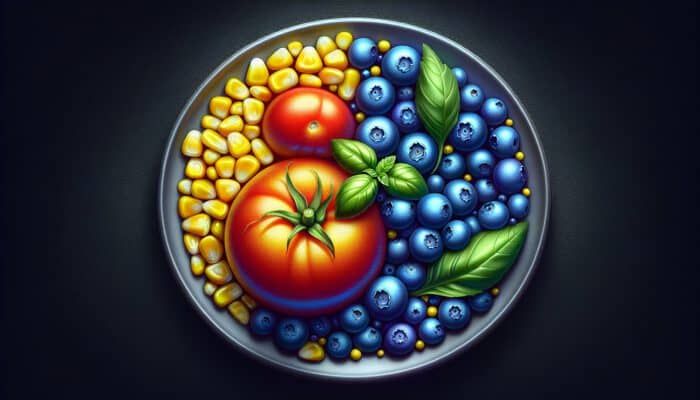
Primary colours—red, blue, and yellow—form the essential building blocks that capture the visual allure of any dish. When utilised thoughtfully, these colours can greatly enhance the overall visual appeal of meals, stimulating the senses and rendering the food even more enticing. For instance, a radiant red tomato juxtaposed against the fresh green of basil creates a striking contrast, while the cheerful yellow of corn injects warmth and vibrancy. This colourful array results in a plate that not only tantalises the taste buds but also encourages diners to partake in the meal.
A classic example of this concept is the Caprese salad, where the vivid combination of red tomatoes, creamy white mozzarella, and bright green basil not only presents a visual delight but also evokes emotions, urging diners to savour their meal. By skillfully incorporating these primary colours, chefs can create stunning presentations that leave a lasting impression on their guests.
How Can You Discover Complementary Colour Pairings in Food?
Complementary colours are those that sit opposite one another on the colour wheel, producing a visually engaging and harmonious balance. For example, pairing a bright orange with a deep blue or a rich red with a fresh green can significantly enhance the aesthetic appeal of food, making it more attractive to onlookers. To integrate these colour combinations into your everyday meals, think about serving vibrant orange carrots alongside a crisp green spinach salad or pairing blue corn tortilla chips with a tangy red salsa for an exciting culinary experience.
When choosing complementary colour pairs, it is important to pay attention to the intensity of the colours to maintain visual coherence. A striking orange pumpkin showcased on a deep blue plate creates a bold contrast that draws attention to the dish. Experimenting with these combinations can elevate a simple meal into an artistic presentation that delights both the eyes and the palate.
How Can You Harmonise Warm and Cool Tones for an Engaging Plate?
Effectively mixing warm and cool tones can create a visually captivating experience on a plate. Warm colours such as reds, oranges, and yellows radiate energy and excitement, while cool tones like blues and greens introduce a sense of tranquillity and calmness. For a compelling presentation, consider a dish of roasted red peppers paired with a refreshing green arugula salad; this not only stimulates the appetite but also maintains a visually striking contrast.
To achieve the right balance, think about using warm colours as accents against a cooler background. For instance, a vibrant orange butternut squash soup garnished with fresh green herbs creates an eye-catching visual contrast that is both inviting and aesthetically pleasing. Thoughtfully blending these tones into your meals can elevate your culinary creations, making them not only more visually appealing but also more enjoyable for diners.
What Effects Do Colours Have on Appetite and Eating Habits?
Can Colour Intensity Affect Eating Behaviour?
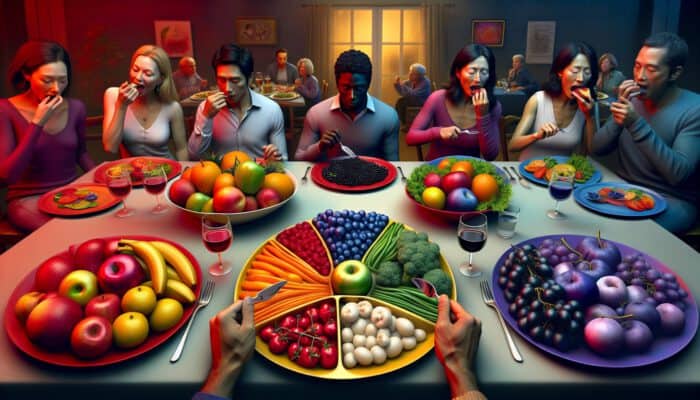
Absolutely, the intensity of colours plays an essential role in influencing eating behaviours. Bright, vivid shades often promote enthusiastic consumption and excitement regarding the food, while softer, muted tones can lead to moderation. For instance, a bright yellow banana is typically perceived as more appealing than its duller counterparts, encouraging increased consumption. This principle can be effectively applied to meal presentations; a plate adorned with vibrant, saturated colours is far more likely to stimulate the appetite compared to one featuring more subdued hues.
To harness this effect, consider using lively ingredients such as red bell peppers or deep green spinach in your dishes. These bold colours not only entice diners but also convey a sense of freshness and richness. By selecting ingredients based on their vivid intensity, you can create meals that not only look appealing but also encourage diners to indulge.
What Essential Factors Should You Consider When Deciding on Colours for Food Presentation?
Numerous key factors influence the colour selection in food presentation, including hue saturation, brightness, and contrast. Saturated hues tend to attract the eye and stimulate appetite, while softer shades may convey sophistication and restraint. For example, a dish featuring rich burgundy beetroot against light beige quinoa creates visual interest while maintaining a balanced aesthetic. This contrast significantly enhances the overall appeal of the meal.
When choosing colours, aim for a balance of saturation and brightness. Highly saturated colours can serve as focal points on the plate, guiding the diner's attention to specific elements. By implementing these principles, you can create dishes that not only taste amazing but also look visually stunning and inviting.
How Does Colour Psychology Impact Food Plating?
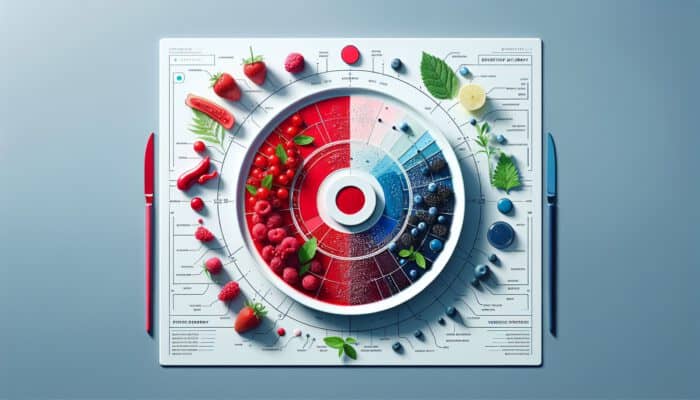
Colour psychology has a profound impact on how food is perceived and enjoyed. Different colours can evoke a range of emotions—red can stimulate appetite, while blue might suppress it. Understanding these psychological effects allows chefs and home cooks to create appealing arrangements that resonate deeply with diners. A well-plated dish can significantly enhance the overall dining experience, making it not only memorable but also enjoyable.
- Enhances appetite stimulation
- Evokes emotional responses
- Creates visual interest
- Aids in food recognition
- Increases meal satisfaction
- Encourages healthy eating
By applying these psychological insights to your plating techniques, you can create meals that not only look impressive but also engage diners' emotions, ultimately enhancing their overall experience and satisfaction.
Expert Recommendations on Optimal Colour Combinations for Food
What Advanced Techniques Can Be Utilised for Striking Colour Pairings?
Crafting vibrant pairings requires a solid grasp of colour theory and a discerning eye for detail. One advanced technique involves layering colours thoughtfully to guide the eye across the dish. For example, you might start with a base of vibrant greens, layer in bright orange carrots, and finish with deep purple beetroot. This layering approach adds depth and creates a visual journey for the diner.
Another effective method is to incorporate textures alongside colours. A crispy golden-brown roast chicken paired with a rich green herb sauce not only plays with colour but also contrasts textures, enriching the overall dining experience. Mastering these techniques allows you to elevate your dishes to an artistic level, captivating diners with both taste and presentation.
Why Do Certain Colour Combinations Excel in Food Design?
Some colour combinations naturally stand out due to their contrasting properties and their ability to create harmony on a plate. For instance, the classic pairing of green and red not only pleases the eye but also signifies freshness and health. This synergy renders such combinations irresistible and unforgettable.
Moreover, current trends in food presentation tend to favour bold contrasts, such as serving colourful food on stark white plates. This design strategy not only highlights the meal but positions it as the focal point of the dining experience, encouraging diners to engage with their food both visually and gastronomically.
How Can You Integrate Colours for Optimal Food Presentation Outcomes?
To achieve optimal results in food presentation, it is vital to integrate colours seamlessly. Start by selecting a primary colour as the foundation of your dish, and then build around it with complementary and accent colours. For instance, consider embellishing a bowl of spaghetti with bright green basil, fiery red chilli flakes, and a sprinkle of white cheese, resulting in a visually appealing and harmonious dish.
Be mindful of the proportions of each colour used. An overwhelming amount of one hue can detract from the plate's overall appeal, while a balanced blend creates an inviting scene that draws diners in. By taking the time to thoughtfully combine colours, you ensure that every plate is a feast for both the eyes and the palate.
What Expert Tips Are Available for Seasonal Colour Combinations?
Adapting colour combinations to the seasons not only enhances aesthetics but also connects meals to the freshness of seasonal ingredients. For instance, during spring, vibrant greens and yellows can dominate, reflecting the freshness of asparagus and peas. In autumn, warm oranges, browns, and reds can highlight the richness of pumpkin and squash. Using colours that mirror the seasonal landscape creates a connection between your dish and nature.
Renowned chefs often recommend utilising seasonal produce to inspire colour choices. Incorporating fresh, local ingredients not only ensures a vibrant palette but also enhances flavour profiles. By aligning your colour choices with the seasons, you can create meals that are not only visually enticing but also reflective of the finest offerings of nature.
What Traits Make a Colour Combination Appealing and Appetising?
How Can You Achieve Visual Harmony on Plates?
Visual harmony in plating can be attained through careful colour selection and arrangement. Start by using a limited colour palette, focusing on two or three complementary colours that work well together. This strategy prevents overwhelming the diner and cultivates a cohesive appearance. For example, a dish featuring grilled salmon, garnished with vibrant green asparagus and a touch of lemon yellow, creates an inviting and harmonious presentation.
Additionally, consider the placement of each colour on the plate. Arranging colours in a way that naturally guides the eye through the dish enhances visual interest. Effectively utilising negative space can also contribute to harmony, allowing each colour to shine without competing for attention.
What Are the Essential Elements of Attractive Colour Use?
Several core factors contribute to the appeal of colour use in food presentation, including contrast, variety, and balance. Contrast helps to highlight different elements of the dish, drawing attention to specific ingredients. For instance, a bright green pesto drizzled over a rich red tomato sauce creates a striking visual contrast that is both appealing and appetising.
Incorporating variety through the use of different textures and colours also enhances the overall presentation. A plate adorned with varied colours and shapes captivates diners, inviting them to explore each element. By focusing on these essential aspects, you can create visually striking dishes that are sure to impress and satisfy.
How Can You Experiment with Different Approaches to Colour Combinations?
Refining your colour choices in presentations is an ongoing journey that thrives on experimentation. Testing various colour combinations allows you to discover which pairings resonate best with your own tastes and your audience's preferences. Consider preparing several iterations of a dish with different colour schemes, then gathering feedback from friends or family to identify the most visually appealing options.
Additionally, observe how the colours interact with the flavours and textures of the food. A combination that looks fantastic on the plate may not taste as good if the flavours clash. By testing different approaches and adjusting based on feedback, you can ensure your colour choices are not only visually attractive but also enhance the overall dining experience.
Research-Backed Advantages of Thoughtful Colour Combinations
What Primary Benefits Emerge from Thoughtful Colour Choices?
Thoughtful colour choices yield numerous benefits, including enhanced perception and enjoyment of meals. Research indicates that visually appealing food significantly improves the dining experience, resulting in higher satisfaction levels. For example, studies have demonstrated that participants rated meals more favourably when colours were chosen with care, emphasising that presentation is as vital as taste.
Real-world examples abound in the culinary world, where top restaurants invest in exquisite presentations to elevate the dining experience. By prioritising colour, chefs craft memorable experiences that keep diners returning for more, enhancing their overall enjoyment and satisfaction.
How Do Colour Combinations Enhance Nutritional Appeal?
The nutritional appeal of a meal can be greatly improved through mindful colour combinations. Bright colours often signal freshness and health benefits, encouraging diners to opt for healthier choices. For instance, a salad featuring a rainbow of colours—red tomatoes, orange carrots, green kale, and purple cabbage—not only appears enticing but also suggests a rich variety of nutrients.
Research shows that the perception of healthiness increases with the vibrancy of a dish. This connection between colour and health can guide diners in making better dietary choices, underscoring the importance of colour in promoting nutritious eating habits.
What Are the Long-term Effects of Effective Colour Combinations on Meal Enjoyment?
Implementing effective colour combinations can lead to lasting benefits in meal enjoyment. When diners consistently experience visually appealing meals, it fosters a deeper appreciation for food and dining occasions. This ongoing engagement encourages more adventurous eating, broadening palates and enhancing enjoyment over time.
- Engage with colour-focused recipes
- Experiment with seasonal ingredients
- Incorporate variety in meal presentations
- Gather feedback on visual appeal
By applying these principles and making a conscious effort to enhance visual appeal, you can create lasting positive associations with meals, transforming dining into a more enjoyable experience overall.
How Do Thoughtful Colour Combinations Influence Health Outcomes?
Thoughtfully selected colour combinations can lead to improved health outcomes, particularly by encouraging increased vegetable intake. Research indicates that meals showcasing a variety of colours tend to attract more attention and interest, leading to greater consumption of healthy ingredients. For example, a dish featuring a colourful mix of vegetables can inspire diners to embrace healthier options.
- Incorporate vibrant vegetables into meals
- Utilise seasonal produce for freshness
- Experiment with contrasting colours
- Encourage family meals with colourful presentations
Applying these insights to everyday dietary decisions not only enhances meal enjoyment but also contributes to overall wellbeing. By focusing on colour as a key element in meal preparation, you can positively influence eating habits and promote healthier lifestyles.
How Can You Implement Colour Combinations in Everyday Meals?
What Simple Strategies Can You Adopt to Experiment with Hues?
Experimenting with hues in your daily meals can be a delightful and rewarding venture. Begin by dedicating one meal each week to explore a specific colour scheme. For example, you might choose a day to incorporate various shades of green into your meals by adding ingredients like avocado, spinach, and green peppers. This approach not only diversifies your meals but also enhances their visual appeal.
Consider using garnishes to introduce vibrant splashes of colour. A sprinkle of fresh herbs or edible flowers can dramatically transform a plate, adding colourful bursts and elevating the overall presentation. By making small adjustments and experimenting with different hues, you can enrich your culinary repertoire and inspire creativity in everyday cooking.
How Can You Craft a Colour Palette for Daily Dishes?
Creating a versatile colour palette for everyday meals can simplify meal preparation while enhancing visual appeal. Start by selecting a few key colours that you enjoy and that are readily available at your local market. For instance, if you choose vibrant reds, greens, and yellows, you can effortlessly incorporate these hues into a variety of dishes.
Additionally, consider developing a visual guide for your palette, noting which ingredients pair well together. This guide can serve as a quick reference for meal planning, ensuring you consistently create vibrant and visually attractive plates. Over time, this practice can elevate your cooking, making meals not only more appealing but also more satisfying and enjoyable.
What Strategies Can Help Ensure Consistency in Presentations?
Maintaining consistency in presentations is vital for keeping meals engaging over time. Establish a standard for how you plate your dishes, focusing on colour schemes and arrangements that resonate with your style. For example, you may prefer to use a white plate as your base to showcase vibrant colours, ensuring that each dish stands out visually.
Regularly revisiting your colour strategies can also help maintain interest. Try rotating your colour combinations based on the seasons or what is available in your local market. This approach keeps your meals fresh and exciting, ensuring that diners remain engaged and intrigued by your culinary creations.
Frequently Asked Questions About Colour Use in Food Presentation
What Are the Most Effective Colours for Food Presentation?
The most effective colours for food presentation include vibrant hues such as red, green, and yellow, as they stimulate appetite and enhance visual appeal. Utilising contrasting colours also aids in creating balance and attracting attention, making the dish more inviting.
How Do Colours Influence Appetite?
Colours can significantly influence appetite; brighter, more vibrant colours tend to stimulate eating, while muted tones may encourage moderation. This psychological effect can be strategically utilised in meal presentations to promote consumption and enjoyment.
What Are Complementary Colours in Food?
Complementary colours are hues situated opposite each other on the colour wheel. In food, examples include green and red or purple and yellow, which create visual harmony and enhance the overall attractiveness of dishes.
Can Colour Combinations Impact Health Perception?
Yes, colour combinations can affect health perception. Bright, varied colours in a meal often signal freshness and nutritional value, encouraging diners to opt for healthier choices and enjoy their meals more fully.
What Are Some Simple Ways to Experiment with Food Colours?
Start by focusing on one colour scheme each week, using ingredients that fit within that palette. Incorporate garnishes, explore seasonal produce, and try different plating techniques to enhance visual appeal and make meals more exciting.
How Can I Develop a Colour Palette for My Meals?
Select a few key colours that you enjoy and are available at your local market. Create a guide of which ingredients pair well together to simplify meal planning and ensure visually appealing dishes every time.
What Role Does Colour Psychology Play in Food Presentation?
Colour psychology significantly influences emotions and perceptions. Understanding how different colours affect mood can help you create meals that not only look appealing but also resonate emotionally with diners, enhancing their overall experience.
How Can I Maintain Consistency in My Food Presentations?
Establish a standard for plating and consistently use a specific base, such as a particular colour plate. Rotate your colour combinations seasonally to keep meals fresh and engaging while adhering to your established presentation style.
What Are the Benefits of Using Vibrant Colours in Meals?
Utilising vibrant colours in meals enhances visual appeal, stimulates appetite, and can signify freshness and health benefits. This contributes to an overall positive dining experience, making meals more enjoyable and satisfying for diners.
How Can I Apply Colour Theory in My Everyday Cooking?
Incorporate colour theory by selecting complementary and contrasting colours during plating. Experiment with various shades and hues to create visual balance and interest, ensuring your meals are both aesthetically pleasing and delicious.
Connect with us on Facebook!
The post Best Colour Combos for Appetising Plates: Key Ideas appeared first on https://cookinggods.com
The Article Colour Combos for Appetising Plates: Top Ideas to Try Was Found On https://limitsofstrategy.com